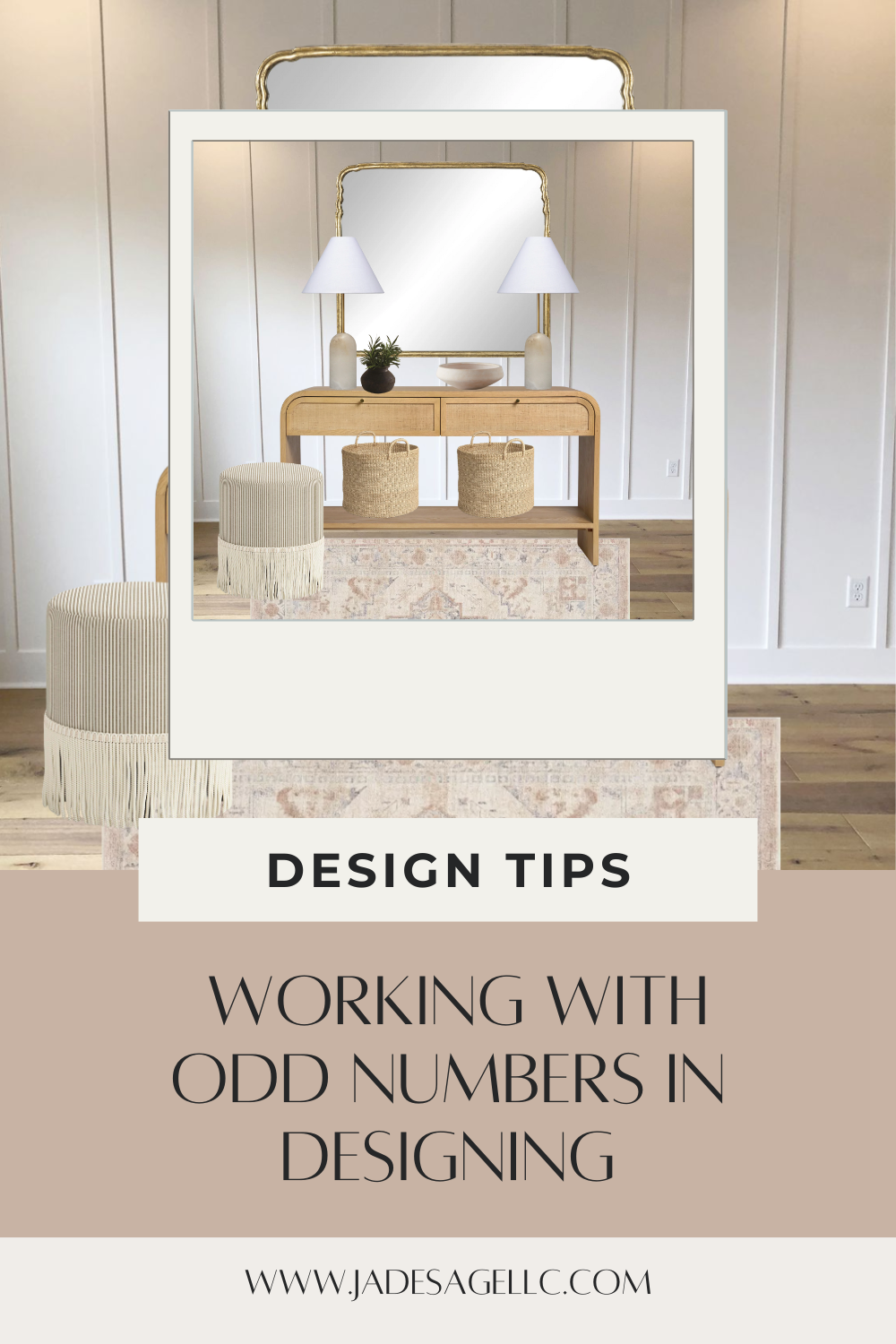
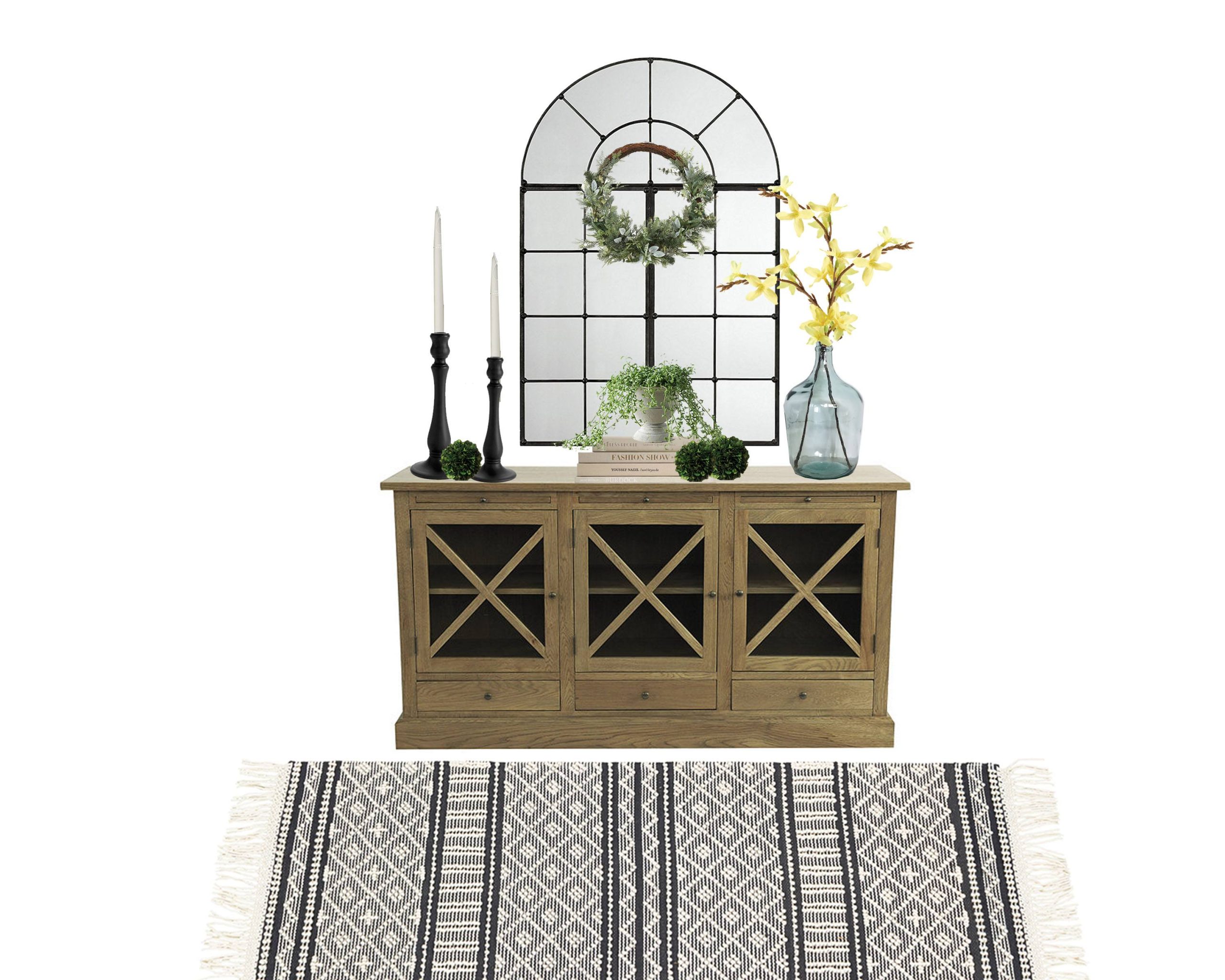
When designing your home and your trying to create a complete finished look. One very important rule to follow is work with odd numbers. Create on fireplace mantles, tables, console table and night stands with the rule of odd number room. Here are a few reasons on why its important and how to apply it to your decorating.
1. Understand the Rule of Three
Odd numbers—especially 3, 5, or 7—tend to look more natural and visually interesting.
Our eyes move more dynamically over an odd-numbered grouping.
It avoids the overly balanced, sometimes “stiff” look that even numbers can create.
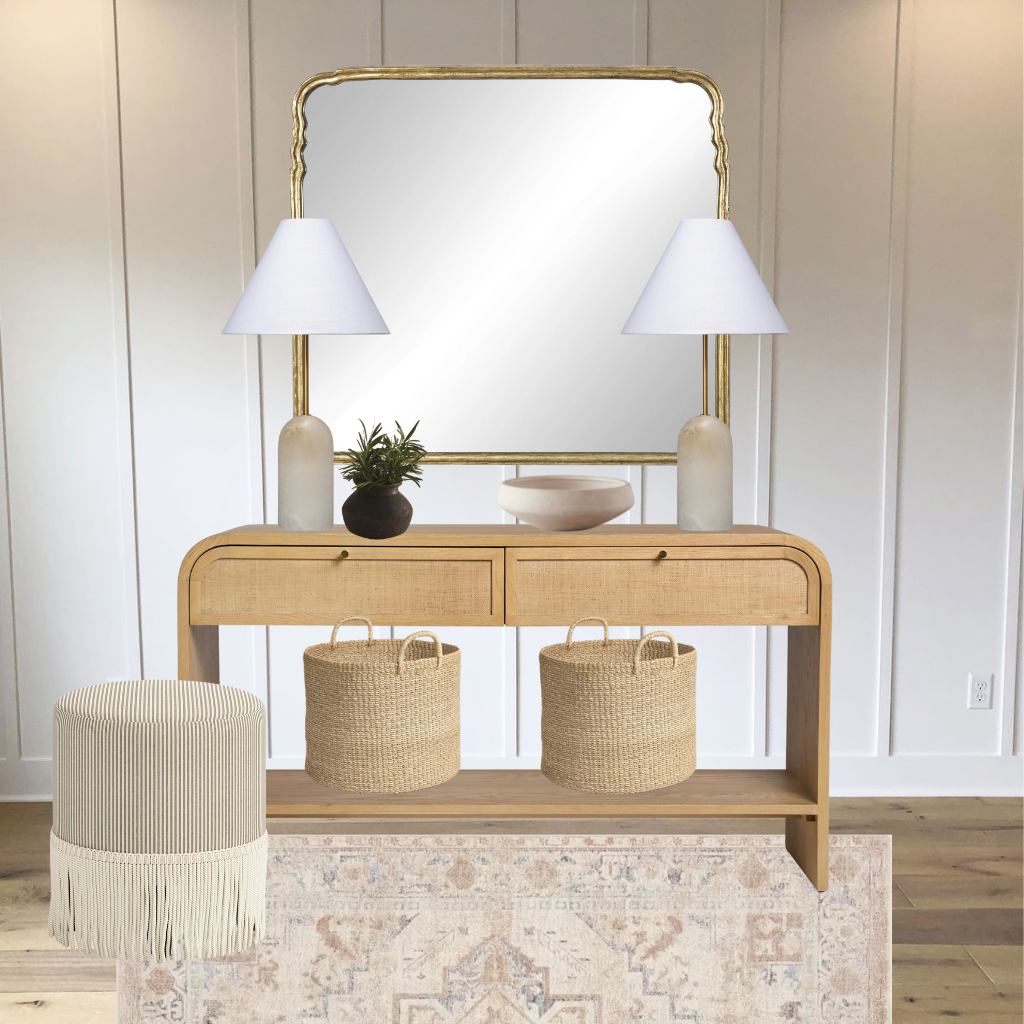
2. Create a Visual Triangle
When styling three items, arrange them so they form a triangle.
This adds height variation and makes the grouping feel intentional.
How to do it:
Use one taller object (lamp, vase, sculpture)
Add one medium-height object (small plant, candle holder)
Add one low or wide object (tray, book stack, bowl)
This creates a balanced yet organic feel.
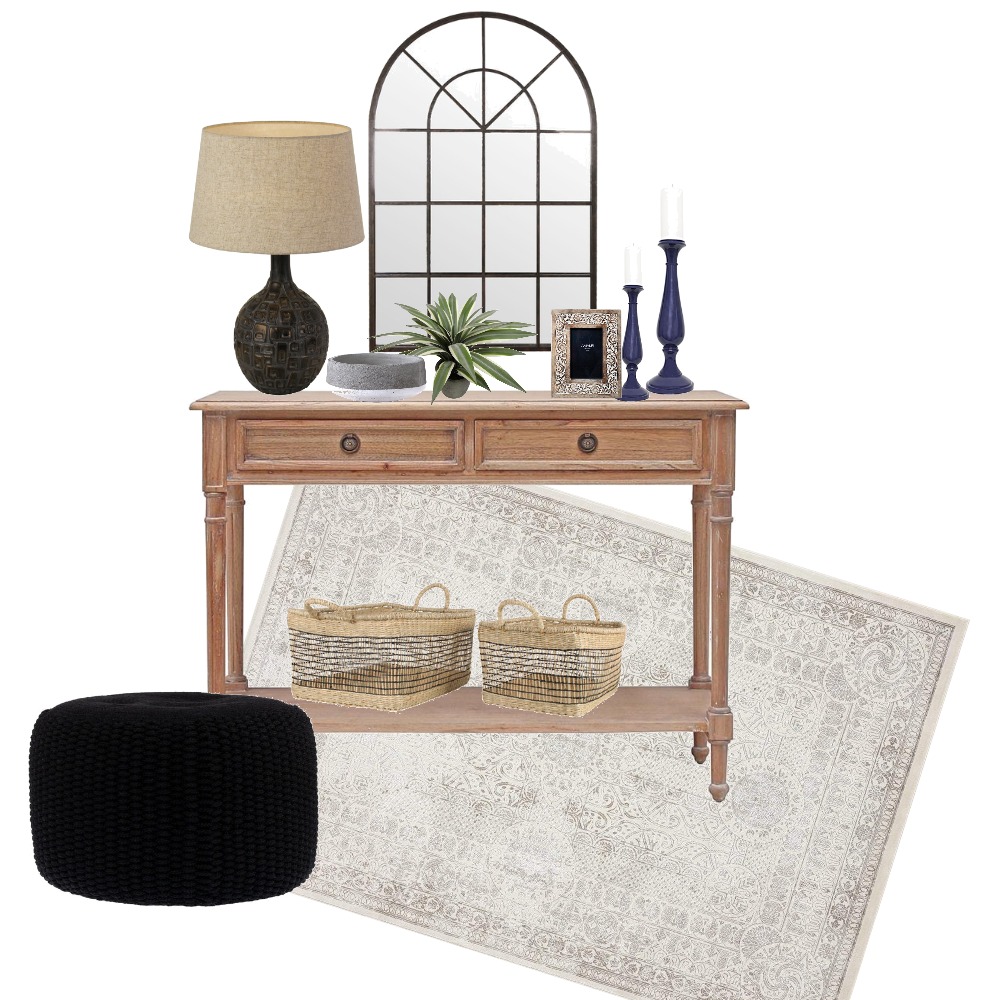
3. Mix Heights, Shapes, and Textures
Odd groupings work best when each item offers something different:
Height: tall + medium + short
Shape: round + angular + organic
Texture: smooth + rough + woven
This contrast prevents the group from feeling repetitive or cluttered.
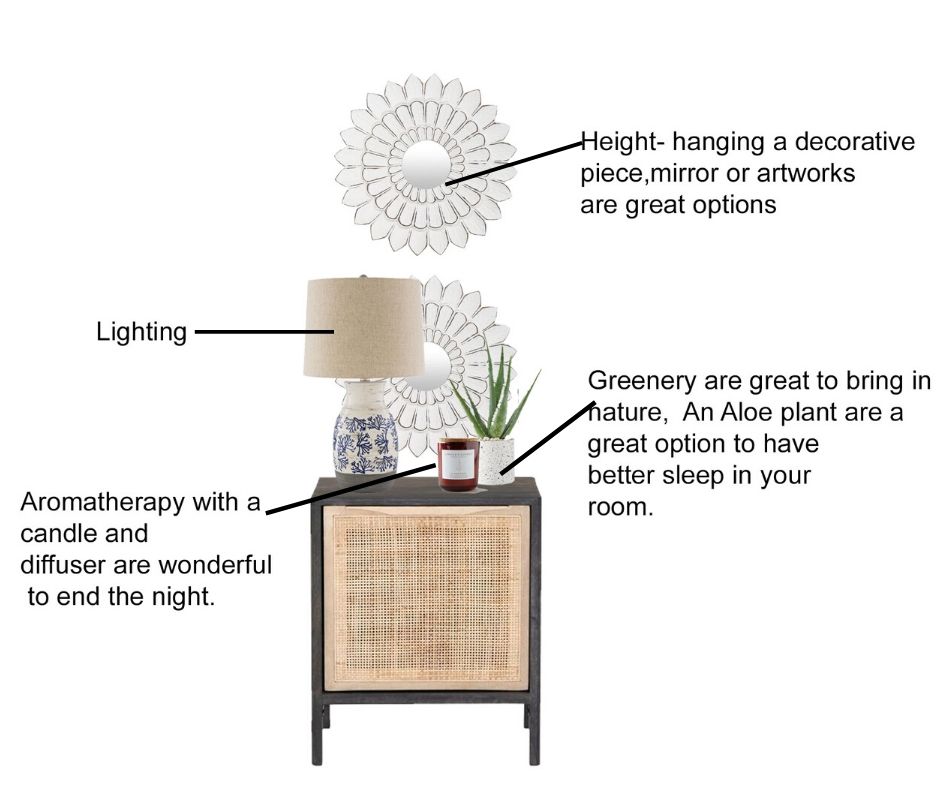
4. Keep a Common Thread
Variety is key—but the group should still relate.
Tie objects together using at least one shared element, such as:
Color palette
Material (wood, ceramic, metal, glass)
Style (rustic, modern, coastal)
This creates unity without uniformity.
5. Use an Anchor
A tray, book stack, or cutting board (for kitchen styling) helps:
Contain the grouping
Make it feel cohesive
Add another layer of visual interest
This works especially well for coffee tables, consoles, and kitchen counters.
 6. Apply the “Small, Medium, Large” Formula
This simple formula makes any odd-number grouping look styled, not random:
Large: the anchor or focal point
Medium: the supporting piece
Small: the accent or detail
This ensures flow and hierarchy.
7. Scale Matters
Use odd groupings relative to the space:
Small surfaces (nightstands, side tables): 3 items
Medium surfaces (dressers, consoles): 3 or 5 items
Large areas (mantels, shelves, dining tables): 5 or 7 items
The bigger the surface, the more objects you can use without looking cluttered.
8. Step Back and Edit
With odd-number groupings, less can still be more.
After styling:
Step back a few feet
Check for visual balance
Remove anything that feels unnecessary
Your eye will naturally tell you if something looks off.
If you want, I can also create a visual guide. Check out my Virtual Design services. HERE